200 Hour Yoga Teacher Training Curriculum
Explore the Complete 200 Hour Curriculum at Pranam Yoga Joseph
The 200 Hour Curriculum outlines everything you will study during this 200 Hour Yoga Teacher Training Course in Varkala, Kerala. Rooted in classical Hatha Yoga and taught through a step-by-step learning process, the program combines yoga postures (asanas), pranayama techniques, yogic philosophy, alignment principles, and yoga teaching methodology to help you develop a strong foundation as both a practitioner and a future yoga teacher.
Each subject is presented in a clear and progressive manner, helping you deepen your personal practice while gaining the knowledge and teaching skills needed to guide students with confidence, precision, and care.
Asana Practice & Alignment Training
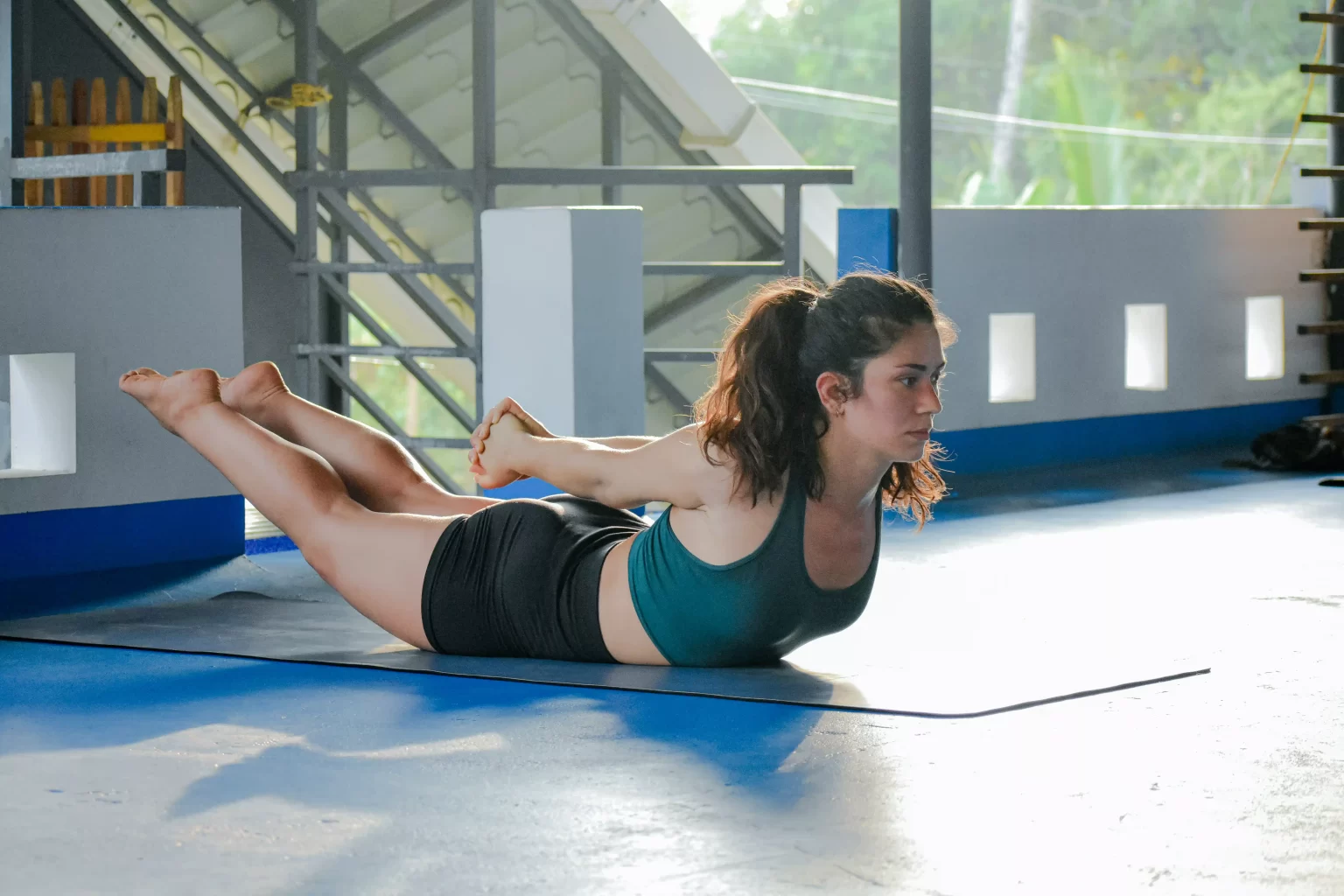
Your physical practice is rooted in traditional Hatha Yoga and complemented by Hatha Vinyasa Yoga sessions. Each class combines asana practice, static holds, mindful movement, and yoga alignment principles to help you develop a deeper understanding of the body, improve posture awareness, and move with greater clarity and control.
What You Will Practice
- Classical Hatha Yoga postures
- Surya Namaskar (traditional sun salutations)
- Standing asanas
- Seated postures
- Twists
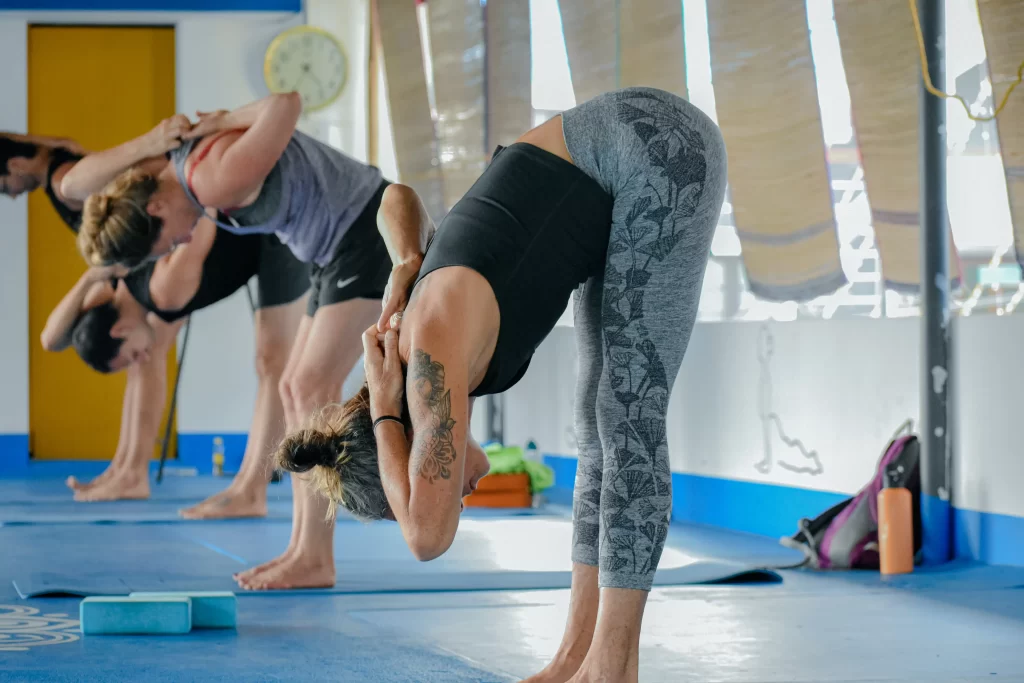
- Forward bends
- Hip openers
- Backbends
- Balancing poses
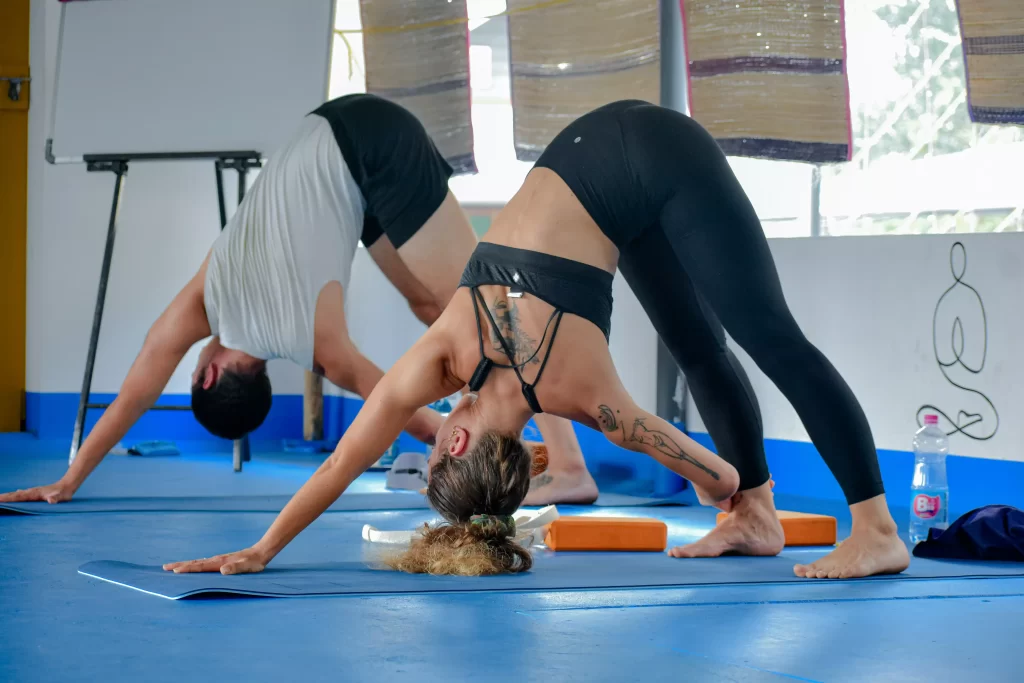
- Inversions (with step-by-step preparation)
You also explore variations for beginners and intermediate practitioners, helping you understand how to modify safely for different bodies
- Foundational alignment principles
- How to “read” different bodies
- Spotting and correcting misalignments
- Safe, effective hands-on adjustments
- Intelligent use of props
Through this process, you begin developing a “teacher’s eye”an essential part of becoming a confident yoga instructor.
Pranayama (Breathwork)
Pranayama practice is taught daily to help you understand the connection between breath, energy, and the mind. You will learn both the theoretical foundations and practical application of yogic breathing techniques through direct experience.
What You Will Practice
- Breath mechanics and pranic energy flow
- Mental and emotional effects of pranayama practice
- Pranayama contraindications and safety precautions
- How to teach pranayama techniques safely and effectively
- Introduction to Pranayama and Yogic Breathing
- Puraka, Rechaka, Antar Kumbhaka & Bahir Kumbhaka
- Kapalabhati Pranayama
- Bhastrika Pranayama
- Nadi Shodhana (Anulom Vilom) Pranayama
- Surya Bhedana & Chandra Bhedana Pranayama
- Ujjayi Pranayama
- Bhramari
- Sheetali
- Sheetkari
Teaching Methodology & Class Construction
This module helps you transition from practitioner to teacher with clarity and confidence.
What You Will Practice
- How to Structure Hatha Yoga & Hatha Vinyasa Yoga Classes
- Traditional and Modern Yoga Sequencing Principles
- How to Give Clear and Effective Verbal Teaching Cues
- Yoga Demonstration Techniques
- Teaching Beginner Yoga Students Safely
- Hands-On Adjustment and Alignment Principles
- Building presence, confidence, and voice
- Practice teaching in small groups
- Observing Yoga Classes and Teaching Methods
- Receiving and Giving Constructive Teaching Feedback
- Learning to Support Students in Real Yoga Classes
This training ensures that you don’t just learn yoga—you develop the skills to teach yoga confidently, applying effective teaching methodology, clear communication, and student-centered guidance with precision and care.
Yoga Philosophy
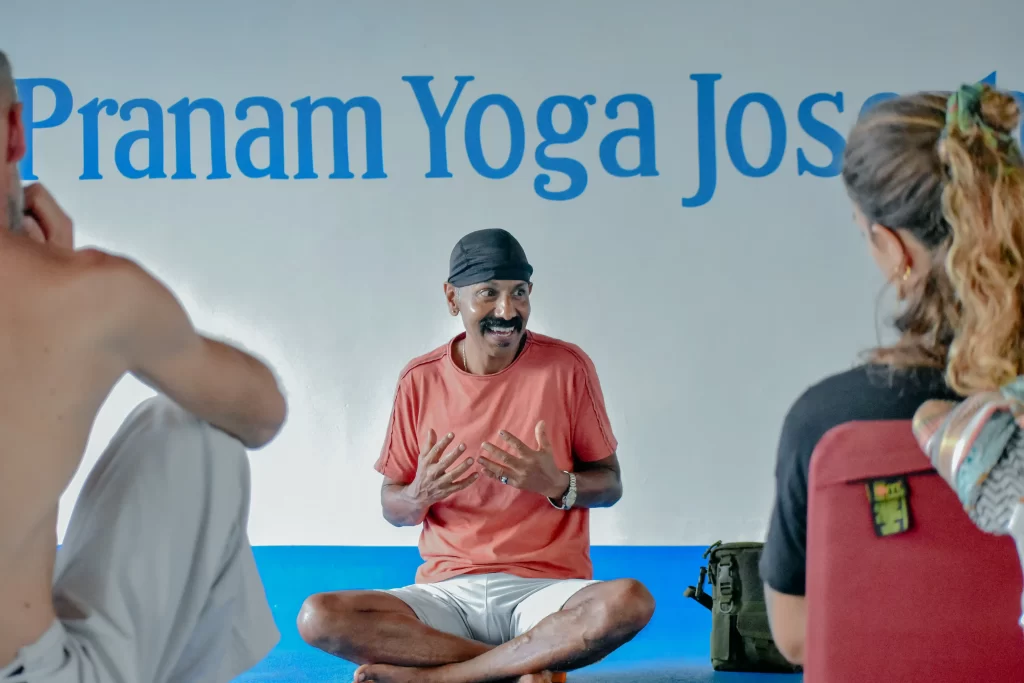
Philosophy classes explore yogic philosophy as a complete lifestyle and inner discipline, not just a physical yoga practice.
What You Will Practice
- What Yoga truly is
- History and evolution of Yoga
- The Yoga Sutras of Patanjali
- The Eight Limbs of Yoga
- Four Paths of Yoga (Jnana, Bhakti, Karma, Raja)
- The Three Gunas & the nature of the mind
- Common obstacles on the path
- Yogic lifestyle & ethics
- Chakras and subtle energy systems
These sessions help you understand the spiritual and philosophical roots that guide the physical practice
Anatomy, Physiology & Applied Biomechanics
This module helps you understand how the body works, so you can teach and practice safely.
What You Will Practice
- Bones, joints, ligaments, muscles
- Nervous system basics
- Breathing & respiratory system
- Digestive system basics
- Circulation & heart function
- How different asanas affect the body
- Healthy movement patterns
- Compression vs. tension
- Injury prevention
- Modifying poses for different bodies
- Using biomechanics to refine alignment
Everything is taught in a practical, accessible way and applied directly on the mat.
Meditation & Yoga Nidra
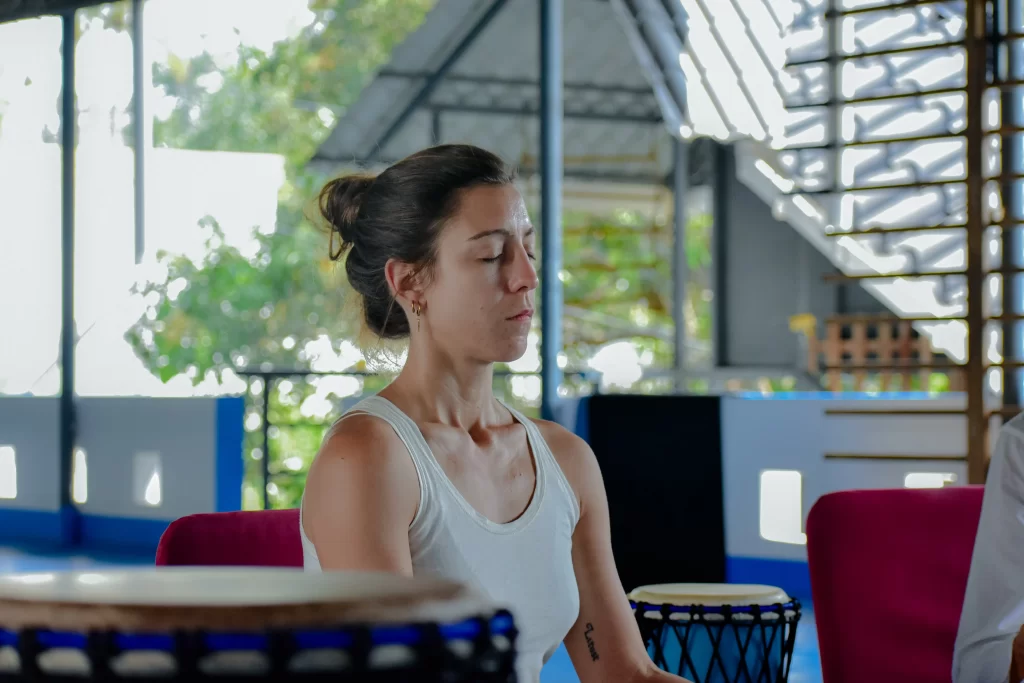
Meditation helps you connect inward, develop focus, and settle into stillness.
What You Will Practice
- Breath awareness
- Mantra meditation
- Trataka (candle gazing)
- Guided visualization
- Chakra meditation
- Silent sitting
- Yoga Nidra
By the end of the course, meditation becomes an integrated part of your practice.
Mantra & Sound
Mantra helps steady the mind and open the heart.
What You Will Practice
- Meaning and purpose of mantras
- Traditional chants: Om, Om Namah Shivaya, Gayatri Mantra
- Call-and-response chanting (kirtan)
- Japa repetition
- Pronunciation, rhythm, and breath
Mantra is used daily to open and close classes.
Mudras & Bandhas
These subtle practices help regulate energy and deepen awareness.
What You Will Practice
- Chin Mudra
- Jnana Mudra
Anjali Mudra
- Mula Bandha
- Uddiyana Bandha
- Jalandhara Bandha
You learn how to apply each bandha safely and when to introduce it into practice.
Kriyas (Yogic Cleansing Practices)
Cleansing practices help prepare the body for deeper work.
What You Will Practice
- Jala Neti (nasal cleansing)
- Kapalabhati (frontal cleansing breath)
These techniques support breathing, digestion, energy flow, and mental clarity.
- Mula Bandha
- Uddiyana Bandha
- Jalandhara Bandha
You learn how to apply each bandha safely and when to introduce it into practice.
Introduction to Ayurveda
A simple and practical introduction to the sister science of yoga.
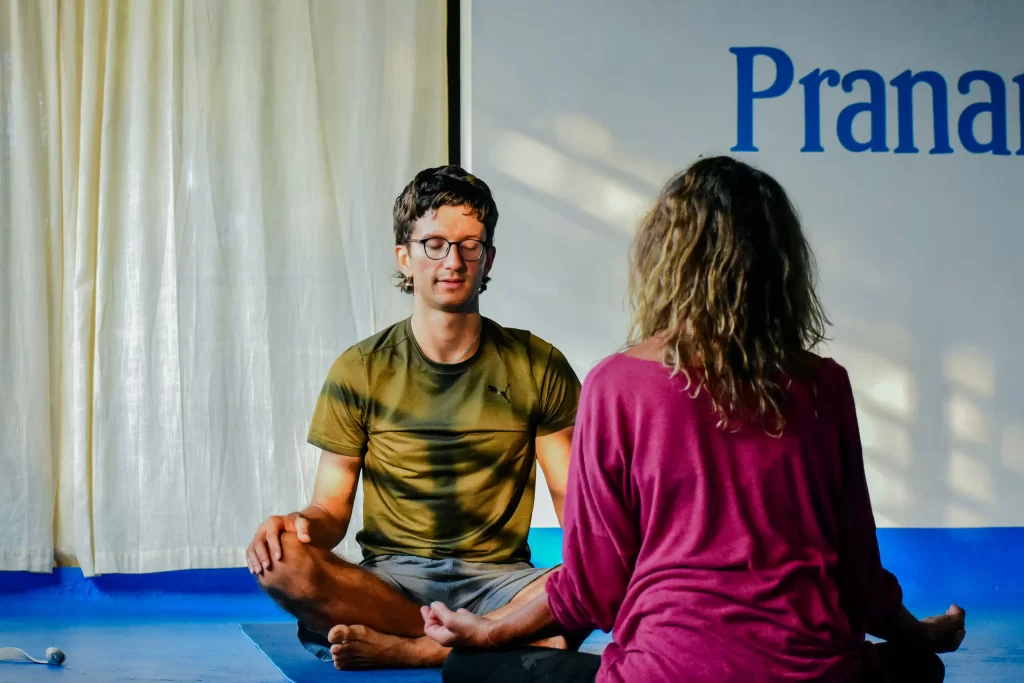
What You Will Practice
- History & origins
- Understanding the three doshas
- Identifying your constitution
- Ayurvedic digestion & routines
- Basic food recommendations for balance
This helps you integrate yoga as a complete lifestyle.
Daily Schedule
Time
Activities
Day
06.00 : 08.00 AM
Asana Class/Teaching techniques
Everyday
8:05 – 8:50 am
Pranayama
Everyday
09:30 am
Breakfast
11:30 – 12:30 am
Yoga Philosophy
Every day, except Thursday
01:00 pm
Lunch
2:45 – 3:45
Teaching Methodology
Mon, Tue, Wed
2:00 – 3:15 pm
Anatomy / Ayurveda
Thur, Friday, Sat.
4:00 – 6:00 pm
Asana Class
Everyday
6:30 – 7:15 pm
Yoga Nidra / Meditation
Everyday
7:30 pm
Dinner
A Day in the Life of a TTC Student
You wake with the sunrise around 6 am, giving yourself a quiet moment before stepping into the shala. At 6:30, the first asana class begins steady, clear, and focused on alignment. Breathwork follows, grounding your energy for the day ahead.
After a traditional Kerala breakfast, you join philosophy with Sunil, where stories and teachings bring the roots of yoga to life. Afternoons alternate between teaching methodology with Joyal and anatomy or Ayurveda with Dr. Anish.
You return to the mat at 4 pm for your second asana practice, exploring your edges with guidance and support. The day closes gently with meditation or Yoga Nidra before dinner a warm meal shared with your fellow students.
The rhythm of each day helps you grow, reflect, learn, and reconnect with yourself.