
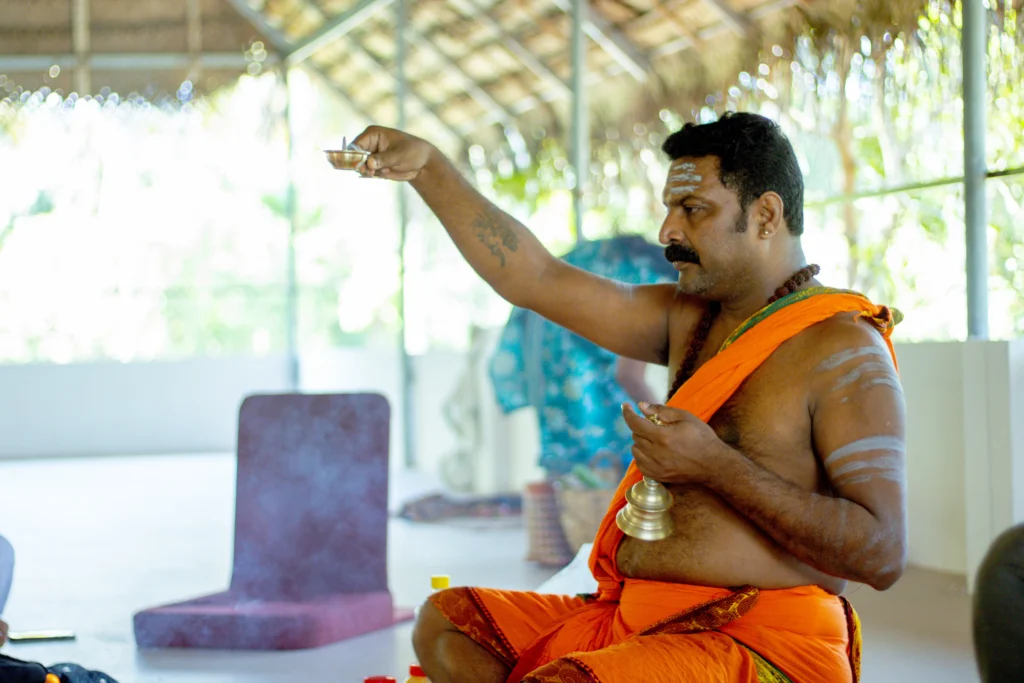
Somewhere in a yoga teacher training syllabus, most students eventually run into the word “kriya,” usually attached to something unfamiliar, like Jala Neti or a cleansing sequence they’ve never heard of outside a yoga context.
Kriyas tend to get treated in one of two extremes online, either as mystical detox rituals or reduced to a vague wellness trend. Neither does justice to what they actually are.
What Kriyas Actually Are
In traditional Hatha Yoga, kriyas are a set of cleansing techniques, collectively known as shatkarma, described in classical texts like the Hatha Yoga Pradipika. The word shatkarma literally means “six actions,” referring to six categories of practice.
Their traditional purpose is preparatory. Before pranayama and meditation can be practised effectively, the body, particularly the respiratory and digestive systems, is considered to need a certain physical clarity. Kriyas were designed to support that.
Jala Neti — Nasal Cleansing
Jala Neti involves passing a saline water solution gently through the nasal passages using a specially shaped vessel, usually called a neti pot. Traditionally, it’s used to clear the nasal passages, which is considered directly relevant to breath practice, since restricted breathing through the nose makes pranayama considerably harder to practise well.
Kapalabhati — Cleansing Through Breath
Kapalabhati is interesting because it appears in both the pranayama and kriya categories, depending on the text and tradition. Practically, it involves short, forceful exhales paired with passive inhales, generating internal heat and, traditionally, supporting the clearing of the respiratory system.
Trataka — Cleansing Through Focused Gazing
Trataka, the steady, unblinking gaze practice most often associated with meditation, is also traditionally classified as a kriya. The sustained, focused gazing is considered to have a purifying effect on both the eyes and the mind, which is part of why it sits in both categories.
Why Kriyas Matter Beyond “Detox”
The modern wellness framing of “detox” tends to flatten what kriyas are actually for. Their traditional purpose isn’t a generalised cleanse. It’s specific: clearing physical obstacles that would otherwise interfere with pranayama and meditation, the stages of practice that follow.
This is why kriyas are usually introduced early in serious training, not as a separate wellness module, but as groundwork for everything that comes after.
Learning Kriyas Safely and in Context
Kriyas, more than most parts of yoga practice, benefit from being learned directly rather than attempted from a written description alone. Techniques involving the nasal passages or forceful breath patterns are best introduced by a teacher who can guide the process and correct technique in real time.
At Pranam Yoga Joseph, kriyas are introduced as part of our 200 Hour Yoga Teacher Training curriculum, taught alongside pranayama so students understand both the technique and the traditional reasoning behind it. If you’d like to understand more about the breathwork these techniques support, our guide to pranayama in Hatha Yoga is a useful companion read.
FAQ
What are kriyas in yoga?
Kriyas are traditional cleansing techniques from Hatha Yoga, collectively called shatkarma, used to prepare the body for pranayama and meditation practice.
Is Jala Neti safe to practise at home?
When practised correctly with proper saline solution and clean water, it’s generally considered safe, though learning correct technique from a teacher first is recommended before practising independently.
What is the difference between a kriya and an asana?
Asanas are physical postures aimed at building strength, stability, and flexibility. Kriyas are specifically cleansing techniques aimed at clearing physical obstacles to breath and focus.
Why are cleansing techniques part of yoga training?
Traditionally, kriyas prepare the body so that pranayama and meditation, the stages that follow in classical Hatha Yoga, can be practised more effectively.
Conclusion
Kriyas were never meant to be a wellness add-on. In the traditional framework, they’re groundwork, quiet, practical preparation for the deeper work of breath and stillness that comes next.