
Booking a residential yoga teacher training abroad is a genuinely big decision, and most of the nerves around it aren’t really about yoga. They’re about the unknowns: what the days actually look like, whether you’ll keep up, whether you’ll feel completely out of place by day three.
Here’s a grounded picture of what the first week of a 200-hour training actually tends to look like.
Arrival and the First Adjustment
Most students arrive a day or so before training begins, which gives some breathing room to settle into the accommodation, adjust to the time difference if travelling from further away, and get a first look at the space before the structure of daily practice begins.
Varkala itself helps with this. It’s a quiet coastal town, and the pace of the place tends to slow visitors down almost immediately, well before the training schedule does the same thing more deliberately.
The Daily Rhythm You’ll Settle Into
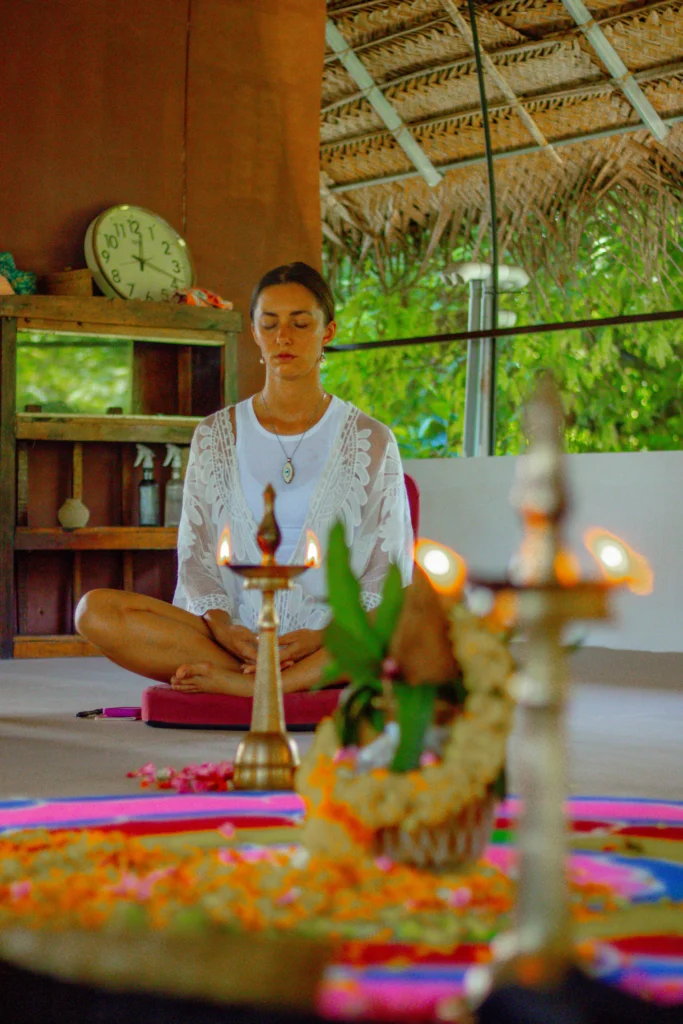
A typical training day starts early, with asana practice beginning around 6:30am, followed by pranayama, breakfast, philosophy sessions, a second asana session in the afternoon, and meditation or Yoga Nidra in the evening before dinner.
For most students, the first two or three days are the hardest part of adjusting, not because the practice itself is unreasonable, but because the body and mind aren’t yet used to a full day structured this consistently around practice and study. By around day four or five, most students describe the rhythm starting to feel natural rather than effortful.
What the Early Days of Practice Actually Feel Like
Physically, expect some soreness, particularly if your regular practice at home was less frequent than twice-daily sessions. This is normal and typically eases within the first week as the body adapts.
Mentally, it’s common to feel a mix of overstimulation, absorbing new philosophy, anatomy, and technique all at once, and unexpected stillness, since many students aren’t used to this much unstructured quiet once the day’s sessions end. Both are a normal part of the adjustment, not a sign that something’s wrong.
Small Group Learning in Practice
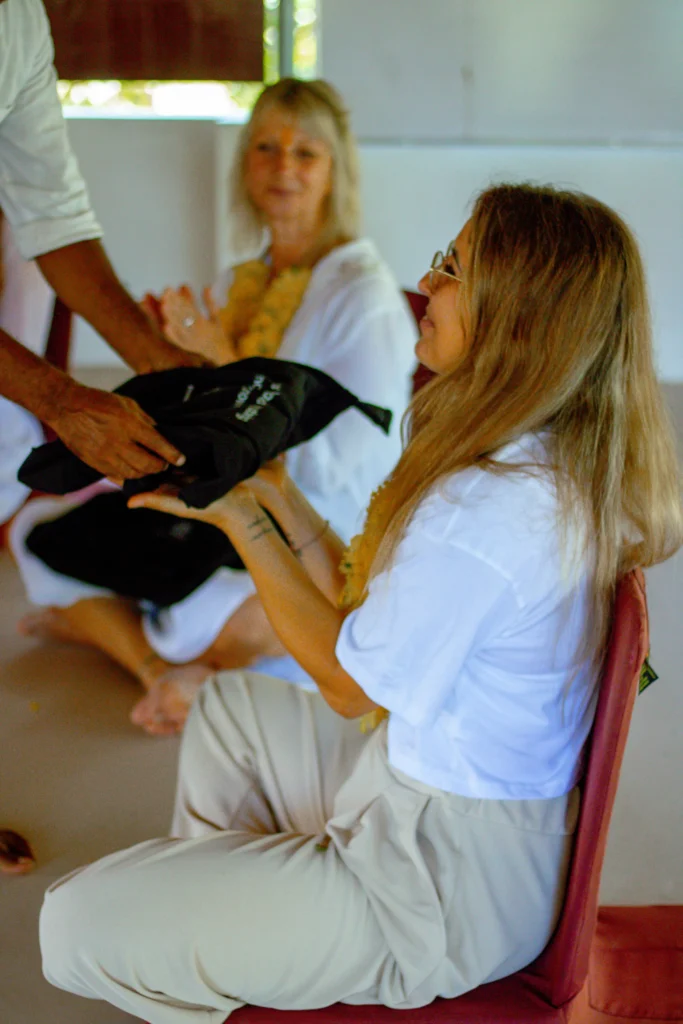
Because our groups stay small, usually up to around ten to twelve students, the early days also involve teachers getting to know each student individually, noticing where corrections are needed, and adjusting how they teach based on real observation rather than a fixed script.
This tends to ease a lot of first-week anxiety once students realise the environment isn’t about keeping pace with everyone else. It’s about your own steady progress, at your own pace, with direct guidance along the way.
Settling In at Pranam Yoga Joseph
Our 200 Hour Yoga Teacher Training follows this same structure, with daily asana, pranayama, philosophy, and meditation sessions, taught by our teaching team in a small-group setting. Accommodation and facilities are detailed on our rooms and facilities page if you’d like a clearer sense of where you’ll be staying.
If you’re still deciding whether Varkala is the right training destination for you, that’s a genuinely fair question to sit with before booking.
FAQ
What does a typical day look like during yoga teacher training?
A structured day typically includes early morning asana, pranayama, breakfast, philosophy sessions, a second asana session in the afternoon, and meditation in the evening before dinner.
Is yoga teacher training physically demanding for beginners?
It’s intensive but designed to be manageable, with practice building gradually. Some initial soreness is common and typically eases within the first week.
What should I bring to a residential yoga training in India?
Comfortable practice clothing, a journal for philosophy notes, any personal medication, and lightweight layers for cooler mornings and evenings are generally recommended; specific packing guidance is usually provided directly by the school before arrival.
How long does it take to adjust to a YTTC schedule?
Most students find the first two to three days the most demanding, with the daily rhythm starting to feel natural by around day four or five.
Conclusion
The first week of teacher training is rarely as intimidating in reality as it feels in the anticipation. What actually happens is slower, more supported, and considerably more human than most people expect walking in.