
Hatha Yoga for Hormonal Balance: Supporting Emotional Well-Being Through Traditional Practice
There’s a particular kind of tiredness that sleep doesn’t seem to fix. You wake up already carrying something – a low hum of tension, emotions that feel closer to the surface than usual, energy that rises and falls without much reason. For many people, this is simply what life feels like now. Constant stimulation, irregular routines, emotional pressure, lack of rest, and mental overload gradually affect the body in subtle ways. Sleep becomes lighter, emotions become reactive, energy fluctuates, and the nervous system remains in a continuous state of tension. Over time, this imbalance can also influence hormonal rhythms and emotional stability.
Traditional yoga understood this connection long before modern wellness conversations began discussing stress and hormones. In Hatha Yoga, the body, breath, mind, and energy system are never viewed separately. The practice works gradually and patiently – not to push the body harder, but to help it remember how to settle. This is why many people today are turning toward Hatha Yoga for hormonal balance and deeper emotional grounding instead of seeking only temporary relief.
Unlike fast-paced fitness approaches, Hatha Yoga creates space for awareness. Through breath-led movement, stillness, discipline, and mindful observation, the practice slowly supports both physical balance and yoga for emotional well-being in a more sustainable way.
Understanding the Connection Between Hormones, Stress, and Emotional Health
The human body responds continuously to stress, even when the stress is emotional or mental rather than physical. Deadlines, overstimulation, irregular sleep, emotional tension, excessive screen exposure, and constant activity can keep the nervous system activated for long periods of time. When this happens repeatedly, the body struggles to return to a restful state.
This ongoing activation influences hormonal rhythms closely connected to mood, energy, sleep, digestion, and emotional responses. It often shows up quietly – maybe you snap at someone you love for no real reason, or you lie down exhausted but can’t actually switch off. You’re not lazy, and you’re not broken. The body is simply stuck in a pattern it was never meant to hold for this long, and most people don’t realise how deeply connected these experiences are to the nervous system.
In traditional yoga practice, balance begins by calming internal agitation rather than fighting symptoms individually. This is where practices supporting nervous system regulation become important. Hatha Yoga approaches emotional steadiness slowly through breath awareness, controlled movement, rest, and consistency. Instead of overstimulating the body further, the practice encourages a gradual return toward equilibrium.
The Traditional Perspective of Hatha Yoga on Inner Balance
Traditional Hatha Yoga was never designed only as physical exercise. Historically, it was understood as a method of preparing the body and mind for greater steadiness, clarity, and inner awareness. Ancient yogic teachings describe balance through the relationship between opposing energies within the body, often represented through Ida and Pingala nadis. When these energies remain disturbed or excessive, the mind becomes restless and the body loses its natural rhythm.
This is why classical Hatha Yoga emphasizes discipline, breath control, posture stability, and mindful awareness rather than constant intensity. The purpose is not simply flexibility or performance, but cultivating balance from within.
One of the deeper Hatha Yoga Benefits is its ability to slow the practitioner down enough to observe internal patterns clearly. In many modern lifestyles, the nervous system rarely gets an opportunity to settle. Hatha Yoga creates that opportunity through sustained postures, conscious breathing, and stillness. Over time, this steadiness influences not only physical health, but also emotional clarity and resilience.
How Hatha Yoga Supports Hormonal Balance Naturally
Hatha Yoga doesn’t work by pushing the body harder – it works by finally letting it stop bracing. Most of us spend so much of the day in a kind of low-grade readiness, muscles slightly held, breath slightly shallow, mind slightly ahead of wherever we actually are. Traditional Hatha postures held with awareness for longer durations gently interrupt that pattern. The breath deepens on its own. Mental noise settles. And as that happens consistently, the body begins shifting away from chronic stress responses – supporting relaxation, digestion, sleep quality, and emotional steadiness, all of which influence hormonal rhythm in quiet but meaningful ways.
This is what makes Hormonal Balance Yoga different from more intense physical routines. It’s not adding more stimulation to an already overloaded system. Over time, regular practice supports better body awareness, improved emotional regulation, and a healthier relationship between mind and body – which is why many practitioners explore natural hormone balance through yoga rather than reaching only for temporary external solutions.
The Role of Breath and Nervous System Regulation
In Hatha Yoga, breath is not treated as a secondary part of practice. It is considered the bridge between the body and mind – and once you pay attention, this becomes obvious. When breathing shortens and tightens, so does everything else. Emotional reactions sharpen, mental restlessness builds, and the body stays coiled even when there’s nothing left to respond to.
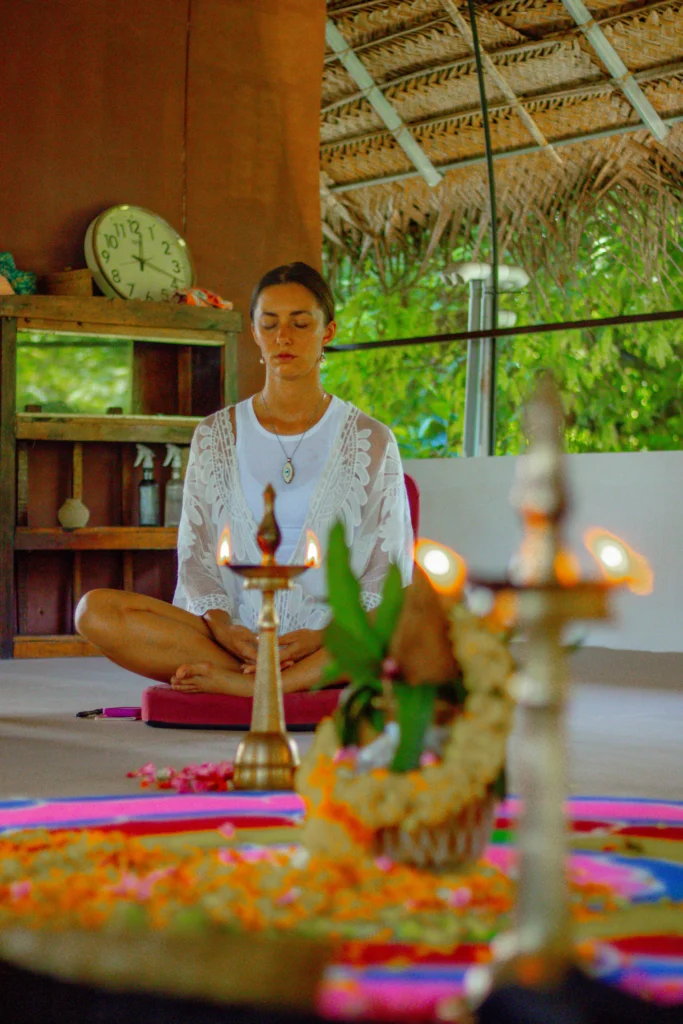
Slow diaphragmatic breathing gradually unwraps that pattern. By consciously extending the breath and practicing stillness within postures, the practitioner begins calming mental activity naturally. This is why Hatha Yoga becomes genuinely effective as yoga for nervous system regulation – not as a concept, but as something you can feel shift over weeks of consistent practice. Even a simple seated posture with steady breathing can influence emotional stability more deeply than aggressive movement performed without any real awareness.

Pranayama and Emotional Stability in Hatha Yoga
Pranayama plays an essential role in traditional Hatha Yoga because breath directly influences mental and emotional states. When practiced gently and consistently, pranayama helps create clarity, steadiness, and internal quietness.
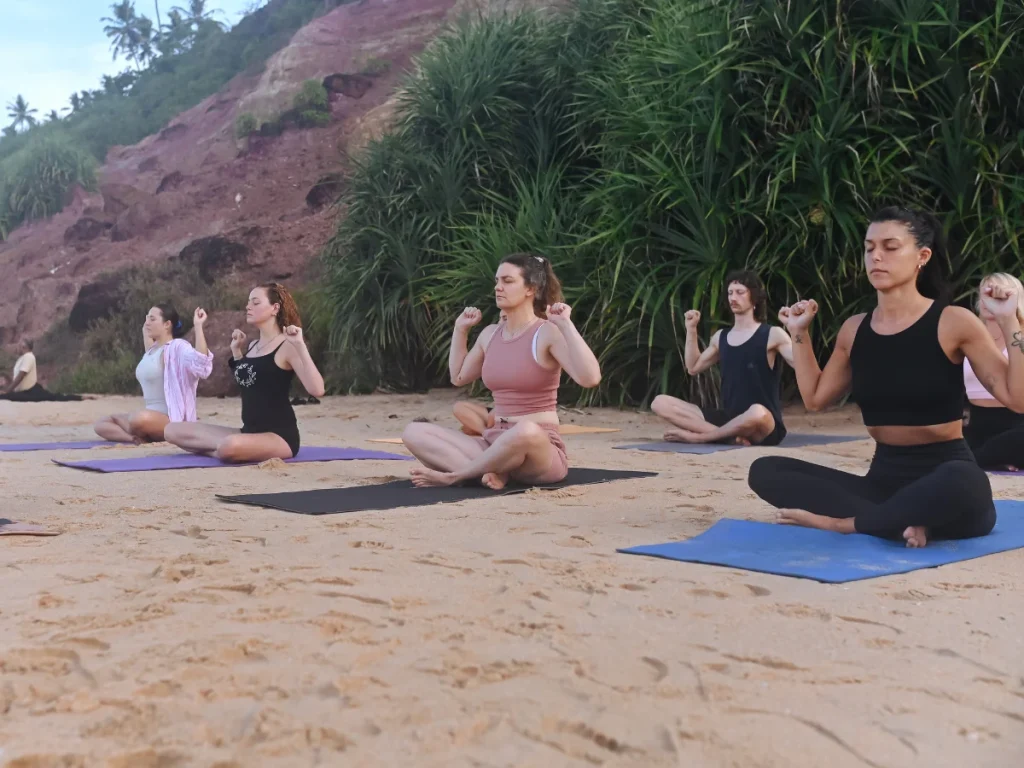
Practices such as Nadi Shodhana encourage balance between the two hemispheres of the body and mind through alternate nostril breathing. Bhramari helps soften mental agitation through vibration and prolonged exhalation. These practices are not designed for instant transformation, but for gradual regulation and awareness.
Today, many people explore pranayama for stress relief, but traditional yoga approaches breathwork with patience and discipline rather than urgency. The goal is not to escape emotions, but to create enough internal stability to experience them without becoming overwhelmed.
With regular practice, pranayama can support emotional steadiness, deeper sleep, improved focus, and a calmer relationship with stress.
Hatha Yoga for Women’s Hormonal Health
Women often experience natural hormonal fluctuations throughout different stages of life, and these changes can influence emotional sensitivity, energy levels, sleep patterns, and mental clarity. Traditional Hatha Yoga encourages a more compassionate and adaptive approach during these phases rather than pushing the body aggressively.
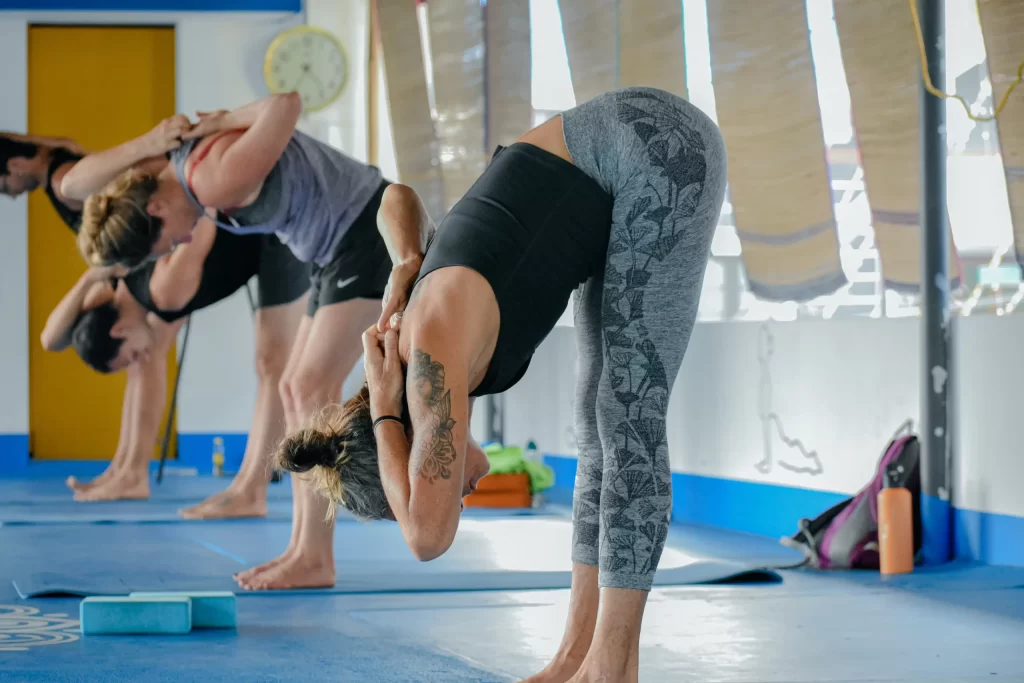
Hatha Yoga for Women’s Hormonal Health is not about extreme practice or physical intensity. Instead, it emphasizes gentleness, breath awareness, rest, and consistency. Grounding postures, slower transitions, forward bends, restorative practices, and mindful breathing can help support emotional calmness while reducing internal overstimulation.
Traditional yoga also recognizes the importance of listening to the body. Some days require movement, while others require stillness and recovery. This awareness itself becomes part of the practice.
Rather than approaching hormonal wellness through force or control, Hatha Yoga encourages steadiness, patience, and deeper sensitivity toward one’s physical and emotional state.
Creating a Daily Practice for Emotional Well-Being
A meaningful yoga practice does not need to be long or complicated to be effective. In many cases, consistency matters more than intensity. Even a shorter daily practice can gradually influence emotional balance when practiced with attention and sincerity.
Creating space for silence in the morning, practicing a few grounding postures, sitting with the breath for several minutes, or ending the day with restorative stretches can help calm accumulated mental tension. Over time, these small practices begin shaping emotional responses, energy levels, and overall mental steadiness.
A sustainable daily Hatha Yoga for emotional well-being should feel supportive rather than exhausting. Traditional Hatha Yoga values discipline, but it also values awareness. The goal is not to perform perfectly, but to create a rhythm the body and mind can genuinely sustain.
Why Consistency Matters More Than Intensity in Hatha Yoga
Modern wellness culture often emphasizes quick transformation, but traditional Hatha Yoga follows a slower and more disciplined path. The effects of practice develop gradually through repetition, patience, and awareness – and this is not a weakness of the practice. That is precisely the point.
Think about what a simple 15-minute morning practice actually looks like after two months of showing up. In the beginning, the mind wanders constantly, the breath feels forced, and sitting still feels harder than any physical posture. But somewhere around the sixth or seventh week, something quietly shifts. You notice you paused before reacting to something that would have previously unsettled you. Your sleep feels a little more complete. The practice hasn’t changed much – but you have.
This is what happens when the body repeatedly experiences calm breathing, mindful movement, and periods of stillness. The nervous system slowly begins adapting to that rhythm. Emotional reactions soften, mental clarity improves, and the practitioner becomes more aware of internal patterns – not because of a single breakthrough session, but because the body has been shown the same steady signal, again and again.
Over time, yoga becomes less about achieving difficult postures and more about cultivating steadiness in everyday life. This deeper approach naturally supports a more balanced lifestyle through yoga, where physical practice, breath, awareness, rest, and emotional balance begin working together instead of separately.
Returning to Balance Through Practice
Hatha Yoga does not promise instant transformation, nor does it approach healing through force. Its strength lies in repetition, patience, awareness, and steadiness. Through regular practice, the body gradually learns how to release unnecessary tension, the breath becomes calmer, and the mind develops greater clarity and stability.
In traditional practice, balance is not viewed as perfection. It is cultivated slowly through disciplined effort and honest self-observation. Some days feel steady, while others feel difficult, but the practice continues with awareness rather than pressure.
Over time, the deeper value of yoga reveals itself not only in flexibility or physical strength, but in the ability to respond to life with greater calmness, sensitivity, and balance. This is where Hatha Yoga becomes more than exercise. It becomes a long-term relationship with the body, breath, and mind.
If you’d like to understand how practice timing can also influence your focus, energy, and consistency, you can also explore our guide on Morning vs Evening Yoga.
To explore more traditional yoga insights, teachings, and Hatha Yoga practices, visit: Pranam Yoga Joseph