
What Students Often Learn Beyond Asanas in Yoga Teacher Training (Yoga TTC)
Many people enter Yoga Teacher Training (Yoga TTC) thinking mostly about postures, flexibility, or learning how to teach classes. Some come to improve their physical practice, while others join out of curiosity or personal interest. But for many students, the deeper part of the experience slowly begins in the quieter moments of practice rather than in advanced poses.
A genuine yoga teacher training experience often changes the way students relate to their body, breath, routine, and even daily life. Over time, yoga starts feeling less like something practiced for a few hours a day and more like a process of becoming aware of how we live, react, rest, and move through the world.

Entering Yoga TTC With Different Expectations
Before joining a course, many students search for what to expect in yoga teacher training. Usually, they imagine long asana classes, flexibility training, anatomy lessons, or teaching techniques. While these are certainly important parts of the journey, traditional yoga training often brings attention to things that are much less visible.
Learning Through Daily Structure and Discipline
The daily structure itself becomes part of the learning. There is something quietly humbling about waking up early when the body resists, and showing up to practice anyway. Doing this consistently – sitting with discomfort, observing habits, staying present through the routine – slowly teaches patience and steadiness in ways that are hard to explain but easy to feel.
Many students begin realizing that yoga practice is not always about achieving something new every day. Sometimes the real learning happens through repetition, silence, discipline, and simple observation.
Understanding Yoga Beyond Physical Postures
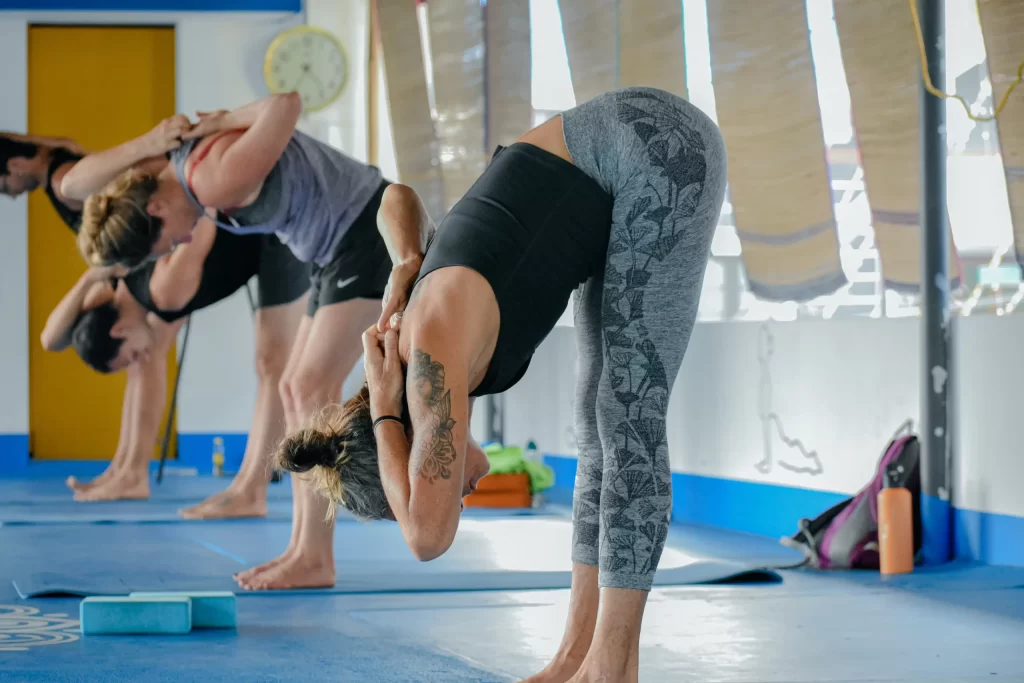
One of the biggest shifts many students experience is understanding yoga beyond physical postures. In traditional practice, asana is important, but it is not the final goal. Postures are often used as a way to prepare the body and mind for greater balance, awareness, and stability.
This is where an authentic yoga practice starts feeling very different from modern fitness-focused approaches. Instead of chasing difficult poses or external progress, students slowly begin paying attention to breath, posture awareness, mental steadiness, and the quality of attention during practice.
Traditional Hatha Yoga has always placed importance on balance between effort and ease. The practice is not only about pushing the body but also about learning when to soften, observe, and remain steady. Over time, many students understand that yoga becomes deeper when the mind becomes quieter and more attentive.
The Importance of Breath Awareness in Traditional Practice
One of the most powerful parts of traditional yoga practice is developing breath awareness in yoga. At first, most people don’t think much about the breath – it’s just something the body does on its own. But during regular practice, something shifts. The connection between breath and mental and emotional states becomes difficult to ignore.

Understanding the Relationship Between Breath and Awareness
Most of us have felt it without realizing – on a stressful day, the breath becomes shallow or tight. In a calm moment, it naturally slows and deepens. Through pranayama and mindful movement, students gradually learn how breath influences focus, emotional reactions, and overall presence. It stops feeling like a breathing exercise and starts feeling like a tool you always had but never knew how to use.
In many traditional systems, breath is considered part of the foundation that supports attention, awareness, and inner balance.
Developing Consistency Through Daily Practice
Another important lesson many students carry from TTC is the value of consistency in yoga practice. Traditional yoga rarely emphasizes quick transformation. Instead, it values regular effort practiced over a long period of time.
Following a simple routine every day may seem ordinary in the beginning, but gradually it builds discipline and steadiness. Waking up at the same time, practicing daily, eating more mindfully, and reducing unnecessary distractions can slowly change the quality of both practice and daily life.
This is also where students begin understanding aspects of the traditional yoga lifestyle. Yoga is not limited to what happens on the mat. The way we rest, eat, breathe, speak, and manage our attention also affects the state of the mind and body.
Over time, many students realize that consistency often creates deeper results than intensity.
Mindfulness, Emotional Balance, and Self-Observation
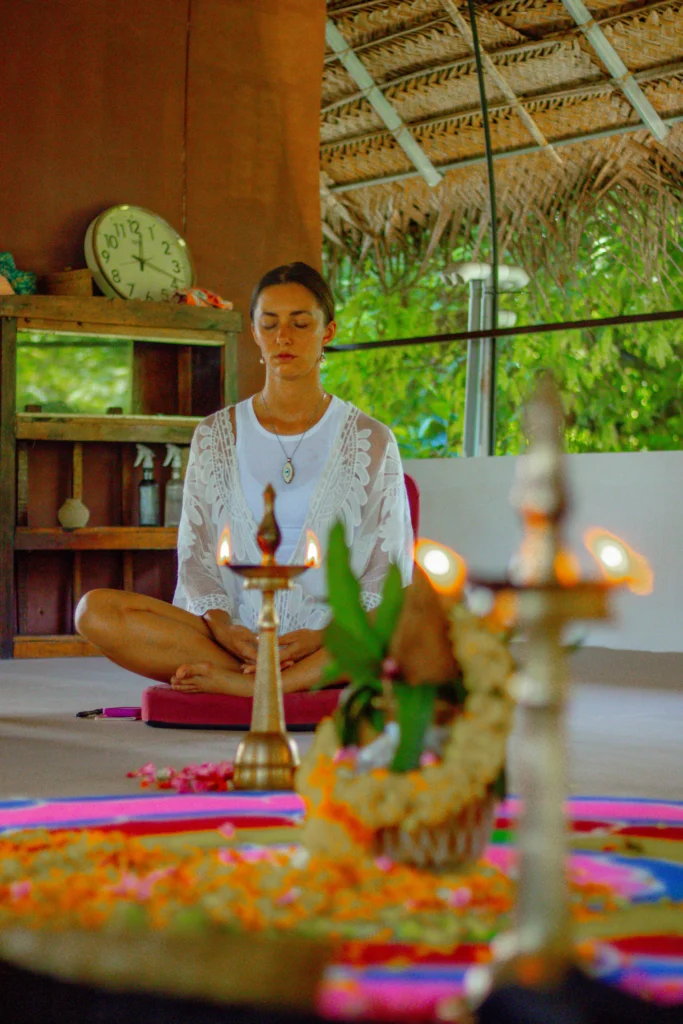
During Yoga TTC, students often spend more time in silence, observation, and self-reflection than they expected. This naturally develops greater mindfulness through yoga.
When daily distractions reduce, people begin noticing mental patterns that usually go ignored. Restlessness, emotional reactions, overthinking, impatience, and stress become easier to observe during practice.
This does not mean yoga removes all emotional difficulty. But it can help create more space between reaction and awareness. With regular practice, many students begin experiencing better yoga and emotional balance simply because they become more attentive to their own habits and inner state.
Traditional yoga has long emphasized observation of the mind rather than constant stimulation. In many ways, the practice teaches students how to sit with themselves more honestly and calmly.
Experiencing Simplicity Through Yogic Living
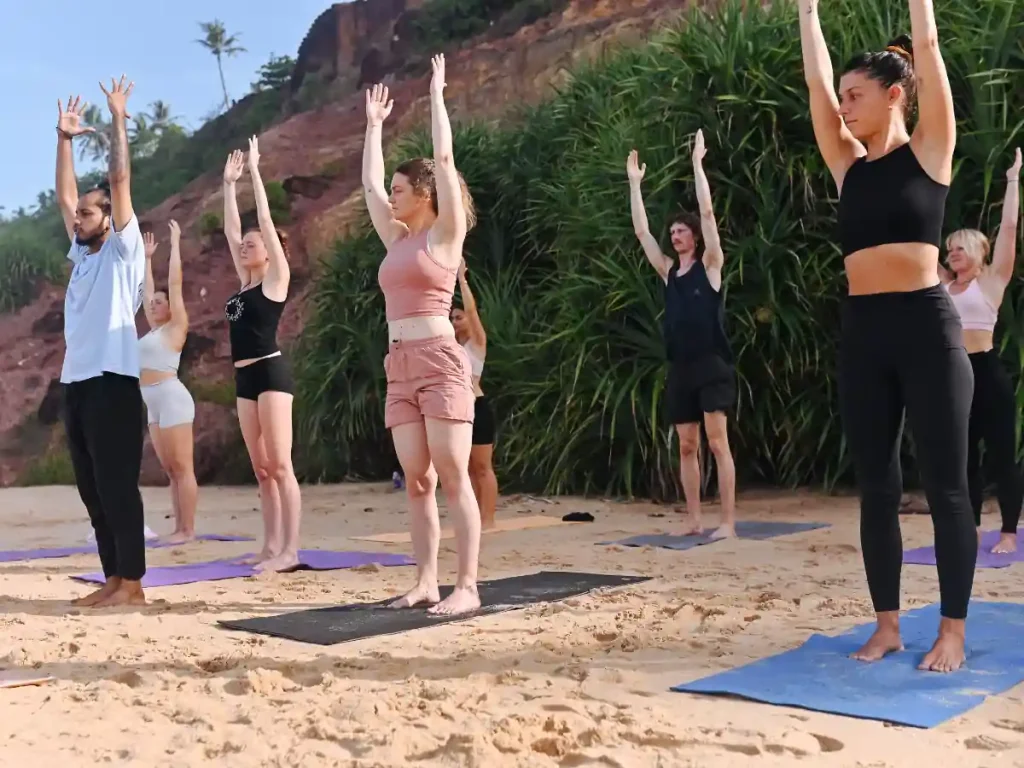
One of the quieter lessons of TTC is learning to appreciate simplicity. Through a more grounded routine, many students naturally move toward a slower and more aware lifestyle. This is where ideas connected to slow living yoga begin to make practical sense.
Simple meals, reduced screen time, regular sleep, mindful breathing, and spending time in nature often create a noticeable difference in mental clarity and energy levels. These are not strict rules, but they become supportive conditions for practice.
Traditional yogic living was never only about physical discipline. It also encouraged simplicity, moderation, and awareness in daily life. For many students, this shift feels surprisingly meaningful because modern life often moves in the opposite direction – constant stimulation, speed, and distraction.
Sometimes the deepest changes during Yoga TTC are not dramatic experiences but small changes that slowly bring more steadiness into everyday life.
Carrying the Deeper Lessons Beyond Yoga Teacher Training
The long-term benefits of yoga teacher training are often not what people expect when they first sign up. Most come thinking about sequences, postures, and teaching skills. What many leave with is something quieter – a deeper understanding of themselves, their habits, their reactions, and their relationship with practice.
Some become more disciplined. Some feel emotionally steadier. Others simply learn how to slow down and pay attention more carefully. There’s no single outcome, and that’s kind of the point. These changes usually happen gradually through daily practice rather than through sudden transformation.
Traditional yoga does not promise perfection or instant healing. Its teachings are often simple, practical, and built slowly over time through consistency and awareness. For many students, Yoga Teacher Training becomes less about mastering advanced postures and more about learning how to live with greater balance, steadiness, and clarity – both on and off the mat.
If you’d like to explore traditional Hatha Yoga and Yoga Teacher Training in a grounded, authentic environment, you can learn more about the teachings and programs atPranam Yoga Joseph.